The Ghibli Revolution
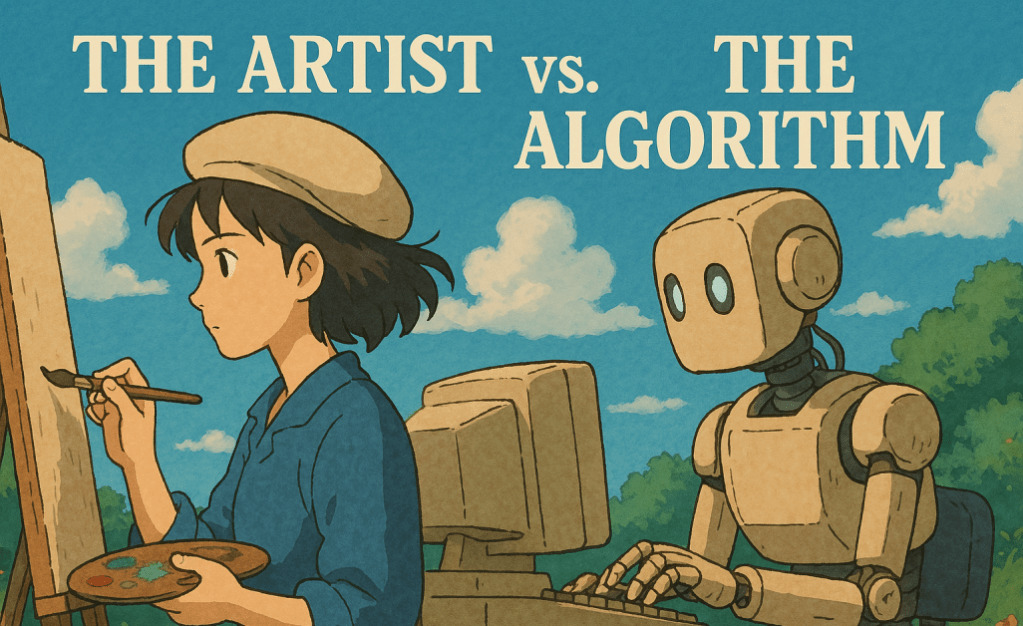
This week has been nothing short of revolutionary in the world of AI image generation as OpenAI unveiled their latest model, GPT-4o Image Generation. The new system has quickly captivated users with its remarkable creative capabilities, but one particular style has emerged as a clear crowd favorite: Ghibli-inspired imagery.
The Rise of the Ghibli Aesthetic
For those unfamiliar, Studio Ghibli is a renowned Japanese animation studio based in Koganei, Tokyo. Founded by directors including Hayao Miyazaki, the studio has created beloved films like “Spirited Away,” “My Neighbor Totoro,” and “Princess Mononoke.” Their distinctive visual style features whimsical characters, lush natural landscapes, and a dreamlike quality that has enchanted audiences worldwide.
The Ghibli-style imagery trend began almost immediately after OpenAI’s livestream demonstration of GPT-4o Image Generation‘s capabilities. What started as experimental posts on Twitter quickly cascaded into a viral phenomenon, with users across social platforms sharing their “Ghiblified” creations.
Why Has This Style Resonated So Strongly?
The rapid adoption of Ghibli-style image generation speaks to something deeper in our collective psyche. The style taps into our innate desire for childlike wonder and curiosity – qualities that Studio Ghibli’s works have always exemplified. There’s also the simple “monkey see, monkey do” effect; once people saw these charming images appearing in their feeds, they couldn’t resist creating their own.
I’ve experienced this firsthand – my friends, family, and I found ourselves unable to resist generating whole albums of Ghibli-inspired anime pictures. The process was genuinely joyful and engaging in a way that few digital experiences are.
The Artistic Ethics Question
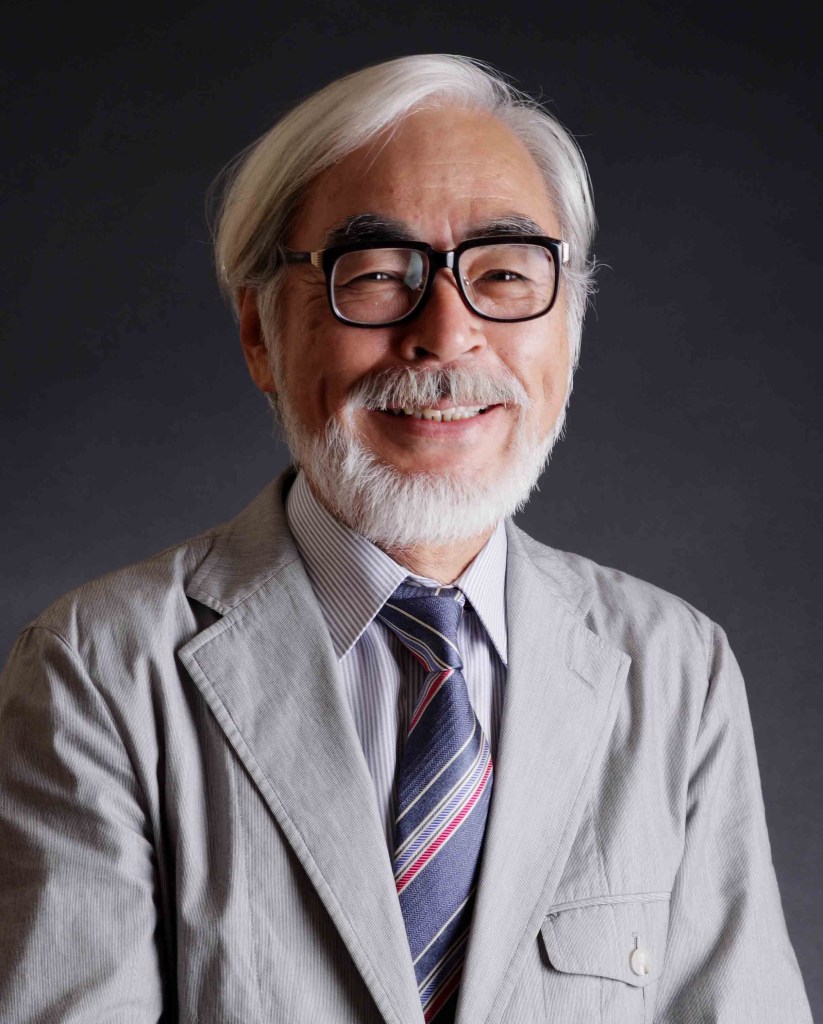
This trend raises important questions about originality and creativity in the AI era. Hayao Miyazaki, Studio Ghibli’s co-founder, has historically been critical of AI-generated art, reportedly calling it “an insult to life” in 2016. However, AI capabilities have evolved dramatically since then.
Today’s AI-generated Ghibli-style images are nearly indistinguishable from the studio’s work, especially to casual observers. This prompts us to reconsider what creativity means in the age of AI. Is creativity simply the discovery of patterns already hidden in nature, waiting to be found? Are these AI systems merely remixing existing concepts, or creating something genuinely new?
After all, human artists also draw inspiration from the natural world and from other creators’ work. The line between inspiration and imitation has always been blurry – AI just makes us confront this reality more directly.
Looking Ahead
As AI image generation continues to evolve, we’ll likely see more style-specific trends emerge. The Ghibli phenomenon demonstrates how quickly these technologies can capture public imagination and become cultural touchpoints.
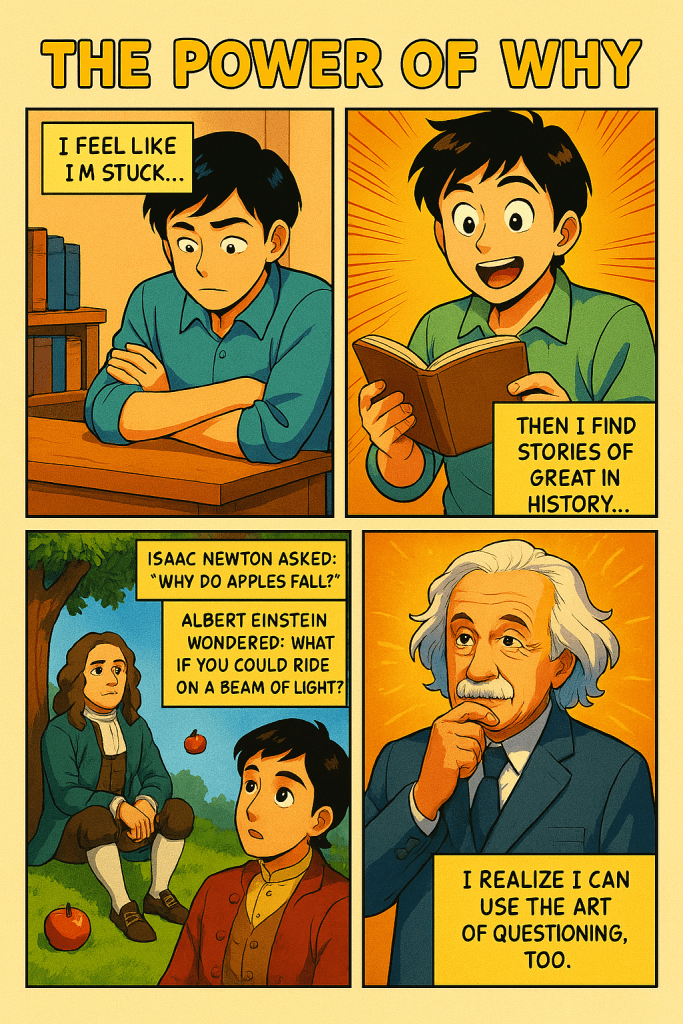
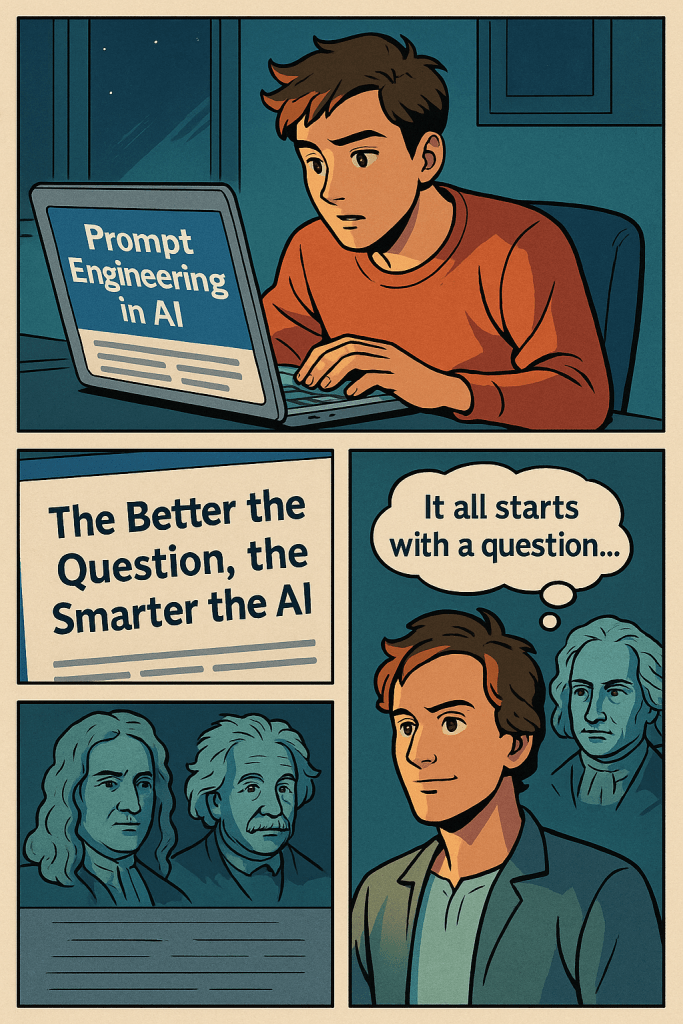
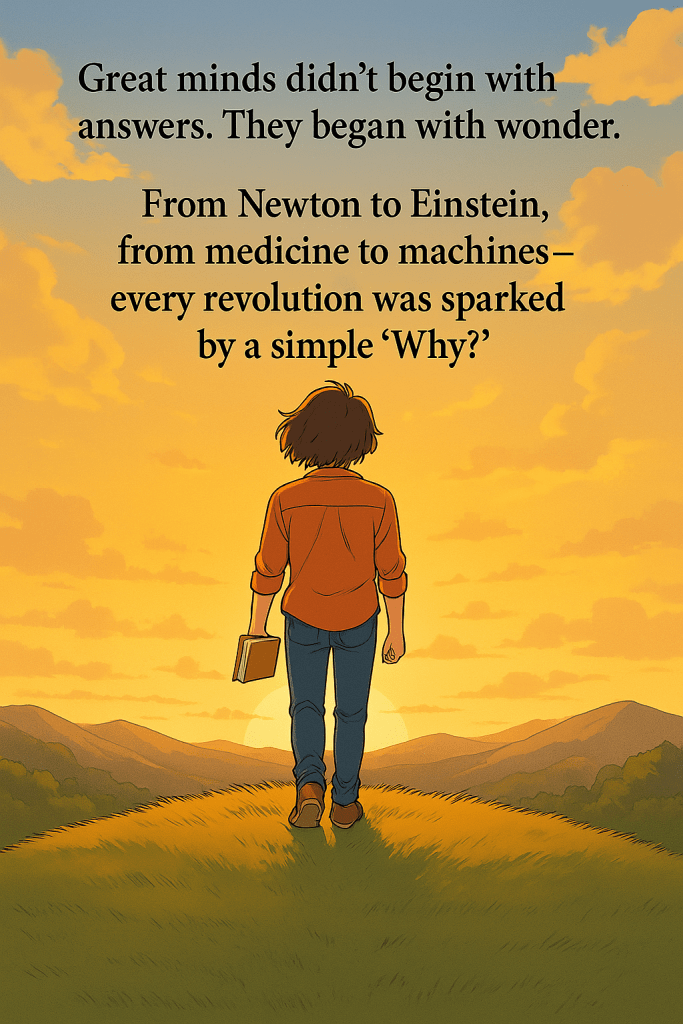
Open AI’s 4o’s capabilities extend far beyond mimicking animation styles – it can even transform blog posts like this one into complete comic books or visual stories. The creative possibilities seem limitless, even as they prompt us to reconsider fundamental questions about art, inspiration, and originality.
What AI-generated art styles have you experimented with? Do you see these tools as enhancing human creativity or challenging it? The conversation is just beginning.
Wanna see Ghiblification of the blog ? Given below is the link for the blog converted into a stunning visual representation.
https://theaiship.wordpress.com/why-your-next-big-breakthrough-lies-in-the-question-not-the-answer/


 The Ai Ship
Leave a comment