
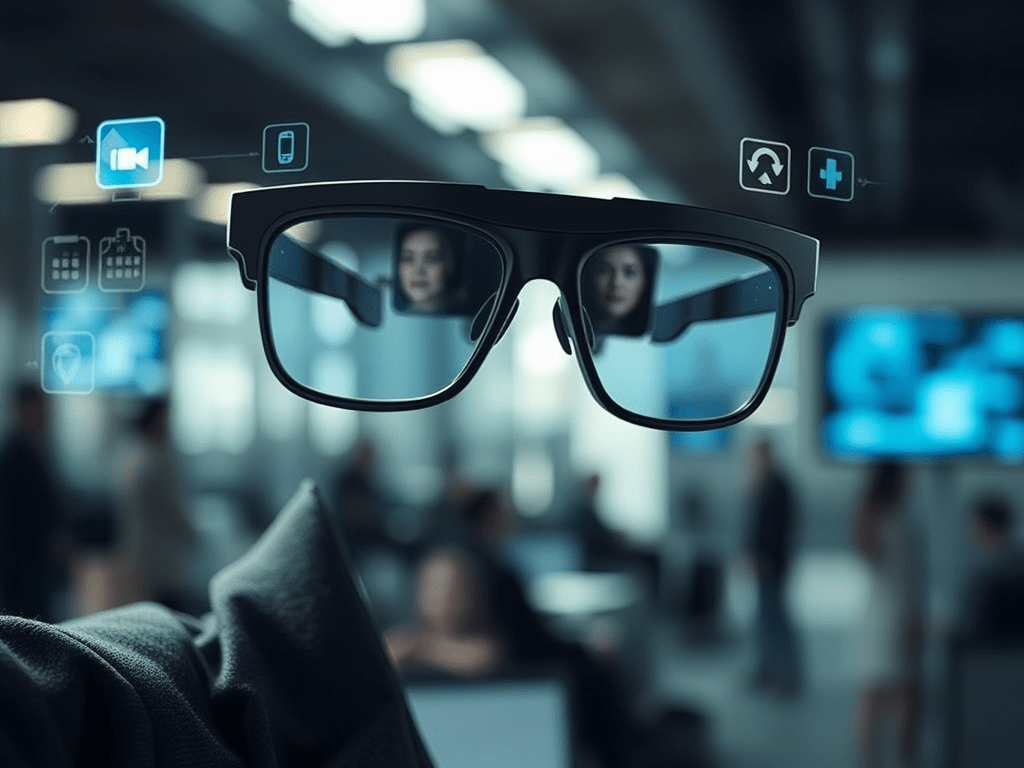
Smart glasses have always been one of those cool tech ideas that feel straight out of a sci-fi movie. And now, it looks like we’re finally inching closer to making them a part of our daily lives. Mark Zuckerberg recently mentioned in an interview that smart glasses could eventually replace smartphones. Imagine people interacting with their glasses to access all kinds of information about the world around them—sounds wild, right? But the journey to this point has been anything but smooth.
Remember Google Glass? It was one of the first attempts at smart glasses, but privacy concerns and the fact that people just weren’t ready for it made it flop. Then there was Apple’s Vision Pro. While it packed some impressive tech, its bulky design and sky-high price tag didn’t exactly win over consumers.
But then AI came along and changed the game. By weaving artificial intelligence into the mix, smart glasses have become way more practical and user-friendly. Take Meta, for example—they teamed up with Ray-Ban to create smart glasses that are both functional and stylish, making them feel like an everyday accessory. And Google is planning a comeback, with experts predicting that glasses might just become the next big wearable trend, following in the footsteps of smartwatches and rings.
At CES 2025 in Los Angeles, companies showcased the latest and greatest in smart glasses. Here are some of the standout models:
Ray-Ban Meta Smart Glasses
- Meta and Ray-Ban collaborated to create these sleek AI-powered glasses that pack some seriously cool features:
- A 12-megapixel camera for snapping photos and recording videos.
- A “Look and Ask” feature for AI-assisted visual queries.
- Hands-free AI interactions for convenience.
- Built-in audio for music and phone calls.
Xreal Air 2
These are considered some of the best AR smart glasses out there, and here’s why:
- They offer a Full-HD virtual cinema screen experience.
- They connect to a variety of devices through USB-C.
- Surround sound audio makes them super immersive.
Halliday Smart Glasses
Halliday’s smart glasses made a splash at CES 2025 by blending traditional eyewear with cutting-edge AI tech:
- A proactive AI assistant that’s always ready to help.
- A hidden 3.5-inch “DigiWindow” display in the frame.
- No projections on the lenses, which means they’re prescription-friendly.
- Set to launch by the end of Q1 2025.
Solos AirGo Vision Smart Glasses
These glasses are turning heads for their innovative design and features:
- ChatGPT-powered AI integration for smarter interactions.
- Built-in speakers for music and calls.
- A Modular SmartHinge design that lets you swap out frames and lenses.
Viture Pro XR Glasses
Designed as a portable display, the Viture Pro XR glasses offer:
- A bright and vibrant 1080p picture.
- A wide field of view for immersive visuals.
- Dimming privacy lenses to keep things discreet.
- No need for prescription lens inserts.
Rokid Max
Rokid Max stands out for its impressive AR capabilities:
- A massive 50-degree field of view—the widest available.
- Separate focus adjustments for each eye for personalized clarity.
- A 12-megapixel camera for photos and videos.
Conclusion
While smart glasses are making incredible progress in terms of design, features, and AI integration, they’re not quite mainstream yet. Experts believe 2025 will be a transitional year, with most adoption coming from niche uses rather than the general public. But as the technology keeps improving—better displays, longer battery life, and smarter AI—it’s only a matter of time before smart glasses become an everyday essential. Would you go for it?




 The Ai Ship
Leave a comment