
After AI’s resounding victory, the next chapter integrates physical and cognitive intelligence to build humanoid robots. AI-powered robots are increasingly stepping into roles once thought exclusive to humans.
Here’s a list of these cutting-edge innovations in AI robotics, which are reshaping the world.
Tesla’s Optimus: Humanoid Robots with Purpose
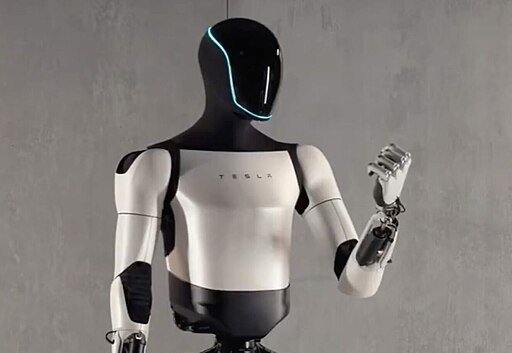
Tesla’s Optimus, a bipedal robot, can interact with its environment and mimic human movement. It has been integrated with the latest AI technologies, akin to Tesla’s electric car. It can navigate, recognize objects, and do tasks. Its ability to help with household chores and assemble pieces on manufacturing floors was demonstrated recently.
What sets Optimus apart is Tesla’s emphasis on developing a versatile, efficient humanoid robot that has the potential to redefine work in various industries. Tesla plans to make Optimus commercially available in 2026.
AI Robots: Revolutionizing Farming Practices
Adopting AI in agricultural robotics is revolutionizing farming techniques. AI-powered devices now carry out tasks that include soil analysis, crop health management, harvesting and even weeding. AI Automation in agriculture and farming practices not only decreases the reliance on manual labor but also increases the productivity of primary crops.
Example: Harvest CROO Robotics has implemented HCR Harvesters, equipped with AI-driven vision systems that execute the entire cycle of searching and picking ripe strawberries without damaging them.
Autonomous Delivery Robots: Reinventing Logistics
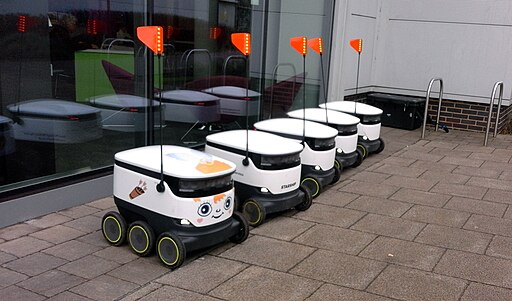
Autonomous delivery robots, like those developed by Starship Technologies and Nuro, are poised to disrupt traditional logistics in urban settings.
With the new AI-powered navigation systems these machines’ capacity to navigate complex urban environments, like traffic, road crossings, and small walkways has improved immensely. As e-commerce grows, many delivery organizations turn to these robots for contactless delivery, particularly in locations with high population densities.
Healthcare Robotics: AI in Surgery and Beyond

Robots with AI capabilities are revolutionizing healthcare, especially in surgery. Intuitive Surgical, the company behind the widely recognized da Vinci Surgical System, has incorporated AI capabilities to aid surgeons during operations. These systems analyze real-time data, offering recommendations that improve precision and efficiency.
AI-Driven Customer Service Robots
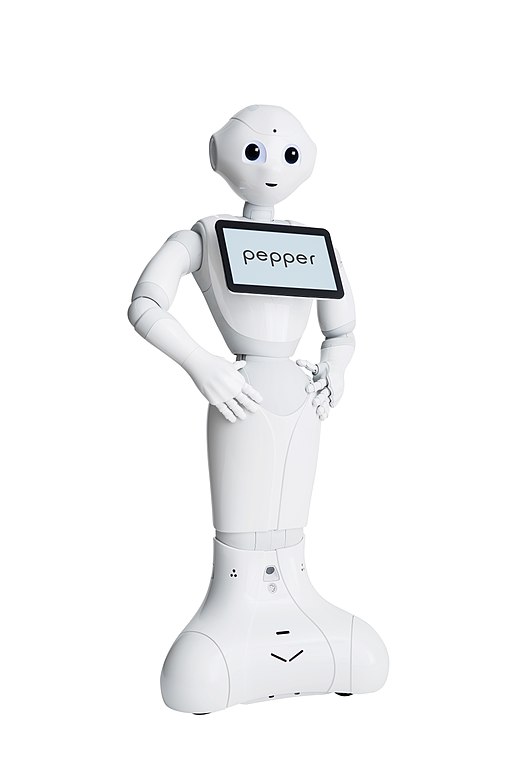
Pepper is a popular semi-humanoid customer service robot designed for human interaction. It can read human emotions and engage in a vocal conversation to help connect with people, making it perfect for a customer-centric role.
SoftBank Robotics its maker, has now enhanced it with cutting-edge AI capabilities. The latest version includes upgraded sentiment analysis, enabling the robot to understand customer emotions and tailor its responses suitably. Integrating technology with human emotions makes it perfect for service roles like retail and hospitality.
Companion Robots: Redefining Elder Care
AI-enabled companion robots are a big step in the advancement of elder care. Startups like Anima and Avatarion are making AI-driven companion robots that will help care for elderly and disabled patients. They are engineered for both physical assistance and emotional companionship through conversation.
They learn your behaviors and preferences through machine learning and the more you use them, the smarter they become. With an aging global population, such robots are becoming a reality that can help tackle shortages of caregivers and enhance quality of life.
Robots in Disaster Response: Saving Lives with AI
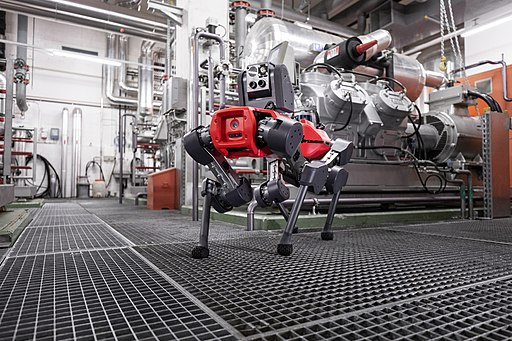
Disaster response is one of the most crucial environments for the usefulness of AI-enabled robotics. Companies like Anybotics are stepping up to the plate. Their quadrupedal robot, ANYmal can traverse rough terrain, walk up and down stairs, and find survivors in disaster areas using on-board AI.
Equipped with AI sensors, they can detect signs of life and structural damage and help rescuers in situations of imminent danger to life
Collaborative Robots (Cobots): A New Era for Manufacturing

The manufacturing industry progressively turns to collaborative robots (cobots) to enhance productivity and safety.
Leading companies like Universal Robots and FANUC are at the forefront of developing AI-integrated cobots that adjust to evolving workflows. These machines learn during operation, making them exceptionally adaptable and useful in production.
Conclusion
AI-driven robots have evolved beyond the realm of science fiction, now playing vital roles in various industries like healthcare, agriculture, urban logistics, and manufacturing. The combination of AI and robotics is paving the way for a future where machines learn, adapt, and enhance their capabilities.
As we approach the new era, these transformative innovations are revolutionizing industries and unlocking automation’s full potential.



 The Ai Ship


Leave a comment